Views: 0 Author: Site Editor Publish Time: 2026-04-22 Origin: Site
You face refractory anchor failure when the support system for refractory linings weakens or breaks. This can happen because of poor material choices, design flaws, or stress from high temperatures. You need strong refractory linings to protect your plant’s steel casing from heat and corrosive gases. If you ignore anchor integrity, you risk safety hazards and costly downtime.
Aspect | Impact on Refractory Linings |
|---|---|
Safety | Protects steel casing from heat and corrosion |
Longevity | Prevents premature failure and production loss |
Performance | Relies on material compatibility and proper installation |
You improve reliability by choosing a Refractory Anchor from a trusted supplier like Jiangsu Guojin Metal New Material Technology Co., Ltd. High-quality refractory linings keep your operations safe and efficient.
Understand the common causes of refractory anchor failure, such as material incompatibility and mechanical stress, to prevent costly downtime.
Choose high-quality materials and ensure compatibility to enhance the performance and longevity of your refractory anchors.
Implement regular inspection routines to catch early signs of wear, such as cracks or rust, and address them promptly to avoid major failures.
Follow proper installation techniques, including allowing adequate curing time and using the right torque, to ensure the stability of your refractory linings.
Partner with reliable suppliers like Jiangsu Guojin Metal New Material Technology Co., Ltd. for high-quality products that enhance safety and efficiency.
Understanding the common causes of refractory failure helps you prevent costly downtime and safety risks. You need to know what leads to common refractory problems so you can take action before issues grow.
Refractory anchors face constant stress in high temperature environments. Over time, the materials lose strength. You may see cracks or breaks as the anchor ages. Repeated heating and cooling cycles cause expansion and contraction. This leads to fatigue and micro-cracking. Chemical exposure from kiln feed, such as alkalies or sulfur, can attack the anchor and lining. If you do not replace aging anchors, you risk sudden failure and production loss.
Using the wrong combination of materials is one of the common causes of refractory failure. When you mix materials with different properties, you create weak points. These weak points can lead to damage and hot spots. The table below shows what can happen if you use incompatible materials:
Consequence | Description |
|---|---|
Damage to refractory linings | Incompatible materials can damage linings, exposing the shell to hot flue gases. |
Formation of hot spots | Different properties create hot spots, causing uneven heating and possible failure. |
Increased risk of failure | Mismatched materials raise the chance of system failure due to thermal stress. |
You should always match anchor and lining materials to avoid these common refractory problems.
Loss of support is another major cause of common refractory failures. Corrosion can weaken welded joints and anchor bolts. When anchors lose strength, the lining may collapse or break away. You need anchors designed to resist corrosive agents, especially in harsh, high temperature environments. If you ignore corrosion, you risk a sudden failure that can stop production. A robust anchoring system keeps your refractory lining stable and safe.
Tip: Regularly inspect anchor bolts for signs of corrosion or wear. Early detection helps you avoid unexpected loss of support.
Mechanical stress is a frequent source of common refractory problems. Vibrations, thermal expansion, and impacts can break down refractory anchors. High temperature operations put extra load on the anchors. If you operate heavy machinery near the lining, you increase the risk of impact damage. Over time, these stresses cause cracks, deformation, or even anchor breakage. You must monitor for signs of mechanical stress to prevent failure.
Poor installation and lack of maintenance often lead to common refractory failures. Field reports show that the most frequent errors include:
Improper curing time before heating. If you rush the drying phase, you get micro-cracking. Always allow at least 48 hours at 50–80°C for new installations.
Ignoring joint design. Poorly aligned joints create stress points. Use 3mm expansion joints every 1.5 meters for large reactors.
Over-tightening anchor bolts. This compresses the lining unevenly and creates hot spots. Keep torque within ±10% of manufacturer recommendations.
If you skip regular maintenance, you allow material degradation, thermal cycling, and chemical exposure to weaken the anchors. This leads to failure and collapse of the refractory lining.
Note: Good installation and routine checks help you avoid many common refractory problems and extend the life of your system.
You must use proper material selection to ensure your refractory anchor performs well in a high-temperature environment. Always match the anchor material to the operating temperature and the type of atmosphere in your furnace. Consider these criteria:
Check the maximum temperature the anchor will face.
Evaluate if the atmosphere is oxidizing, reducing, or corrosive.
Match the anchor to the refractory lining type.
Use stronger anchors for thicker linings.
Make sure the anchor can handle both static and dynamic loads.
Choose an installation method that fits your needs.
Space anchors correctly to avoid stress points.
Work with manufacturers for custom solutions.
Stainless steel anchors from Jiangsu Guojin Metal New Material Technology Co., Ltd. offer excellent resistance to corrosion and thermal cycling, making them ideal for demanding conditions.
You need high-quality manufacturing standards to prevent refractory anchor failure. Jiangsu Guojin Metal New Material Technology Co., Ltd. follows ISO9001 certification and uses advanced production methods. The table below shows the roles involved in quality control:
Role | Responsibilities |
|---|---|
Owner | Ensure compliance and coordinate with contractors. |
Contractor | Install materials correctly and follow quality requirements. |
Inspector | Supervise, test, and document the process. |
Manufacturer | Provide verified materials and test results. |
Anchors | Arrange and adhere properly to prevent detachment. |
Automation and modern welding techniques also improve anchor consistency and strength.
You must use correct installation techniques to avoid common failures. Clean anchor points before installation. Plan anchor placement and spacing for even support. Use high-quality adhesives and follow curing times. After installation, inspect for alignment and damage. Skipping these steps can lead to weak spots and early failure.
Set up regular inspection routines to catch problems early. Check for rust, loose bolts, and cracks daily. Inspect torque weekly and look for deep corrosion monthly. Clean and lubricate bolts to prevent wear. Apply protective coatings and retorque bolts every 6 to 12 months, especially in a high-temperature environment.
Choose a reliable supplier like Jiangsu Guojin Metal New Material Technology Co., Ltd. for your refractory anchor needs. You gain structural integrity, better thermal performance, and chemical resistance. Their products are easy to install, cost-effective, and suitable for many applications. These preventive measures help you avoid costly downtime and keep your plant safe.
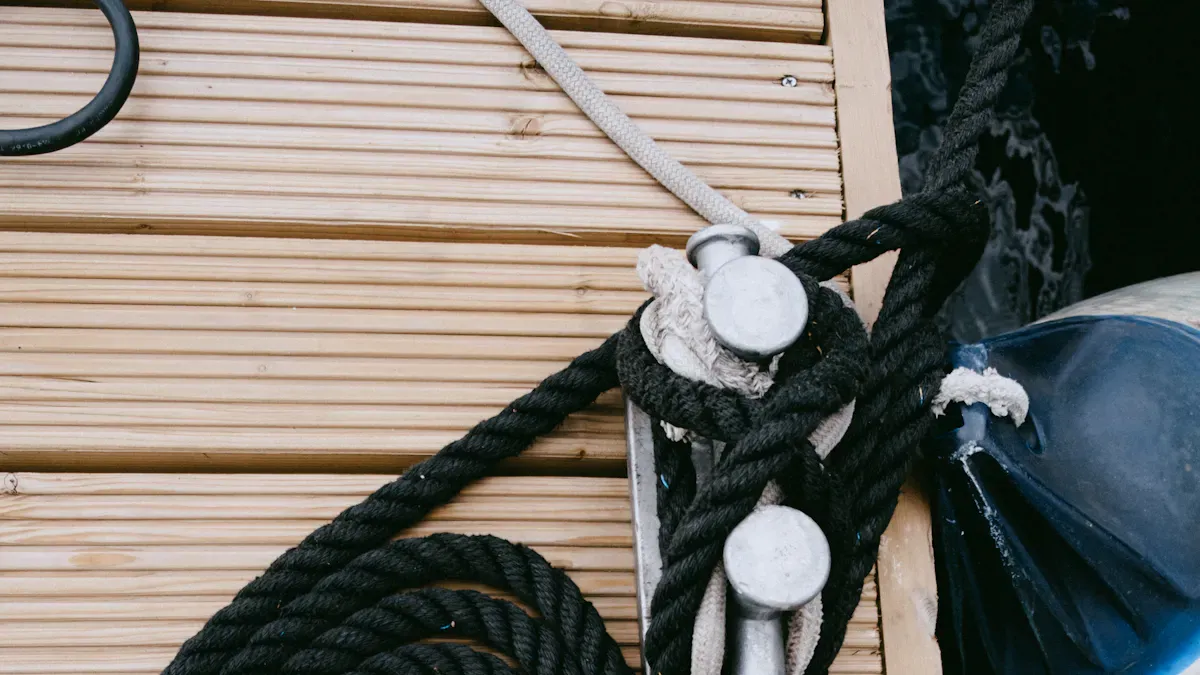
Image Source: pexels
You should check refractory anchors on a regular schedule. Start with a visual inspection. Look for cracks, rust, or loose parts. Use a flashlight to see hidden areas. Tap the anchors gently with a small hammer. Listen for dull sounds, which can mean damage inside the anchor. You can use a checklist to make sure you do not miss any steps:
Inspect all anchor points for signs of wear.
Check for discoloration or corrosion.
Test the tightness of bolts and fasteners.
Record any changes or problems in a logbook.
Tip: Routine checks help you find small problems before they become big failures.
You can save time and money by finding anchor problems early. Early detection lets you fix issues before they cause shutdowns. The table below shows why early detection matters in industrial plants:
Evidence Type | Description |
|---|---|
Cost of Unplanned Shutdown | Can exceed $1 million per day due to refractory failure |
Importance of Early Detection | Prevents catastrophic failures and allows for online repairs |
Inspection Practices | Recommended practices like API RP 982 help in early detection |
You should follow industry standards for inspections. Use tools like ultrasonic testers or thermal cameras to spot hidden cracks. Early action keeps your plant running and avoids expensive downtime.
You need to act fast when you find a problem. Replace damaged anchors right away. Do not wait for a full shutdown. You can often do maintenance and repairs during planned outages or even while the plant is running. Always use the right tools and follow safety rules. Keep spare anchors and parts on hand so you can fix issues quickly. Fast repairs protect your refractory lining and keep your plant safe.
You can prevent refractory failure by following a clear checklist. Industry experts recommend several steps to keep your system strong and reliable.
Learn about the chemical compositions of different refractories. You need to select the right type for your application to avoid unexpected failure.
Watch for threats beyond extreme heat. Chemical reactions during manufacturing can cause failure if you do not choose materials carefully.
Inspect your refractory anchors and linings regularly. Small cracks often lead to bigger failure if you ignore them.
Use proper installation methods. Allow enough time for curing. Rushing this step increases the risk of early failure.
Customize refractory materials for your specific needs. Tailored solutions help you avoid failure caused by mismatched materials.
Tip: Keep a logbook of inspections and repairs. This helps you track issues and prevent repeated failure.
You must stay alert to avoid refractory failure. Routine checks and maintenance protect your system from sudden failure. You should train your team to spot signs of failure early. If you see discoloration, loose bolts, or cracks, act quickly.
A table can help you organize your vigilance routine:
Action | Frequency | Purpose |
|---|---|---|
Visual inspection | Weekly | Detect early failure |
Torque check | Monthly | Prevent anchor failure |
Material review | Quarterly | Avoid chemical failure |
Training sessions | Twice a year | Recognize signs of failure |
Note: Ongoing vigilance reduces the risk of unexpected failure and keeps your plant safe.
You can avoid costly downtime and protect your equipment by following these tips. Consistent effort and attention help you prevent refractory failure and maintain a reliable operation.
You can prevent refractory anchor failure by understanding the main causes and using strong prevention strategies.
Choose high-quality materials for your anchors.
Inspect and maintain your system regularly.
Install anchors with expert techniques.
Reliable suppliers like Jiangsu Guojin Metal New Material Technology Co., Ltd. help you keep your plant safe and efficient.
You should train your team often and review installation steps to avoid costly mistakes.
You may see cracks, rust, or loose bolts. The lining may bulge or break away. Listen for dull sounds when you tap the anchor. These signs mean you should inspect and repair the anchor soon.
You should check anchors weekly for visible damage. Use a monthly schedule for torque checks. Review materials every three months. Regular inspections help you catch problems early.
If you use the wrong materials, you create weak spots. These spots can lead to cracks or hot spots. Always match anchor and lining materials for the best performance.
You get ISO9001-certified products, advanced materials, and expert design. Their anchors work well in high temperatures. You can trust their quality and service for safe, reliable operations.