Views: 0 Author: Site Editor Publish Time: 2025-12-06 Origin: Site
In industries such as cement production, power generation, and heavy manufacturing, safety is the top priority. The machinery used in these industries is large, complex, and operates under extreme conditions. To ensure that these machines function properly and safely, specific components, such as cement furnace anchorage, play a crucial role. Cement furnaces are the heart of the cement production process, and their stability and safety depend on how well they are anchored.
Cement furnace anchorage is a critical part of ensuring that cement furnaces remain securely in place, reducing the risk of accidents and damage. In this article, we will explore the importance of cement furnace anchorage in industrial safety, how it works, and why it is an essential element in cement plants and other heavy industries.
Cement furnace anchorage refers to the system of securing a cement furnace to the foundation or structural supports in a cement plant. The anchorage system involves various components such as bolts, anchors, and structural reinforcements that provide stability to the furnace during operation. Cement furnaces are subjected to high temperatures, vibrations, and mechanical stresses. Without proper anchorage, there is a risk of displacement, structural failure, or even catastrophic accidents.
In a typical cement plant, the cement furnace anchorage is designed to withstand the immense forces generated by the rotating kiln, the temperature fluctuations, and the weight of the materials inside the furnace. The anchorage system ensures that the furnace remains stationary and aligned, which is essential for the smooth operation of the entire plant.
Cement furnaces are the backbone of cement manufacturing, serving as essential components in producing high-quality cement. These furnaces operate under extreme mechanical and thermal stresses, which makes the stability of the furnace a critical factor in ensuring both operational efficiency and safety. Cement furnace anchorage plays an essential role in securing the furnace in place and maintaining its structural integrity throughout its operational life. In this article, we will discuss the significance of cement furnace anchorage and how it contributes to industrial safety and efficiency.
Cement furnaces are exposed to intense mechanical and thermal stresses during operation. The high temperatures in the furnace cause the metal components to expand and contract, creating significant forces that could potentially misalign or shift the furnace structure. This movement can lead to instability, and if not properly controlled, could cause severe structural damage, resulting in costly repairs or even catastrophic failure.
The cement furnace anchorage system is designed to secure the furnace firmly to its foundation, preventing any unwanted movement. The anchorage system acts as a stabilizing force, keeping the furnace in place despite the continuous forces acting on it. By maintaining its position, the anchorage ensures that the furnace can withstand heavy loads without compromising its structural integrity.
Without proper anchorage, there is an increased risk of the furnace shifting under the weight of the load or due to thermal stresses. This could lead to dangerous accidents, including furnace misalignment, which would disrupt the entire cement production process. By securing the furnace to the foundation, the anchorage system minimizes these risks, enhancing both structural stability and safety.
Cement furnaces operate in extreme conditions, with temperatures often exceeding 1000°C, along with high rotational speeds and heavy mechanical stresses. This makes them high-risk equipment. Without a proper cement furnace anchorage system, the furnace could shift, tilt, or even collapse, causing catastrophic safety hazards and significant damage to surrounding machinery.
In addition to accidents and equipment failures, improper anchorage can cause additional wear and tear on other parts of the cement plant. For instance, a misaligned furnace could place unnecessary stress on the kiln’s drive system, bearings, and seals, resulting in premature failure of these critical components. This can lead to expensive repairs, prolonged downtime, and significant disruption to production schedules.
Cement furnaces are subject to continuous mechanical forces, especially during operation when they rotate at high speeds. This constant motion generates vibrations, which, over time, can cause material fatigue and premature wear of the furnace components. Without proper anchorage, these vibrations can intensify, leading to further stress on the furnace and other connected machinery.
One of the key benefits of cement furnace anchorage is that it helps absorb and mitigate the vibrations that occur during furnace operation. By providing a stable base for the furnace to rest on, the anchorage system acts as a shock absorber, reducing the intensity of these vibrations. The anchorage system distributes the mechanical forces evenly across the structure, ensuring that no single part of the furnace experiences undue stress or wear.
A properly anchored cement furnace can perform at its peak efficiency. The cement furnace anchorage system plays a crucial role in ensuring that the furnace operates with minimal disruptions. By preventing the furnace from misaligning or shifting during operation, the anchorage system allows the furnace to maintain optimal temperature and airflow, which are critical factors in the cement production process.
In addition to supporting the furnace itself, cement furnace anchorage plays a critical role in improving the overall safety of the cement plant. A properly secured furnace reduces the likelihood of hazardous accidents that could put workers at risk. The anchorage system prevents the furnace from shifting or collapsing under extreme operating conditions, minimizing the risk of explosions, fires, or structural damage that could harm plant personnel.
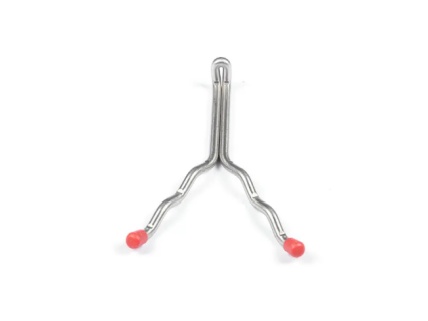
The cement furnace anchorage system typically consists of several key components that work together to provide stability, support, and protection. These components include:
Anchor bolts are large, heavy-duty bolts used to secure the furnace to its foundation. These bolts are embedded into the foundation of the cement plant and fasten the furnace to the structure. They are designed to withstand the heavy loads and vibrations experienced during furnace operation.
Reinforcing elements such as steel plates, braces, and beams are often used to strengthen the anchorage system. These reinforcements help distribute the forces exerted by the furnace across a larger area, reducing the risk of structural failure.
In some cases, flexible materials such as rubber pads or isolators are used to absorb vibrations and prevent excessive strain on the anchorage system. These materials can act as shock absorbers, ensuring that the forces acting on the furnace do not transfer to other parts of the plant.
Modern cement plants often use sensors and monitoring systems to track the condition of the anchorage system. These systems can detect changes in vibration, temperature, or alignment, allowing operators to take corrective action before any major issues arise.
The safety of workers in cement plants is paramount, and a stable furnace is a critical component of maintaining a safe working environment. When a furnace is properly anchored, the risk of it shifting or collapsing during operation is greatly reduced, ensuring that workers are not exposed to unnecessary hazards. Additionally, properly secured equipment helps maintain environmental safety by preventing potential leaks or hazardous material spills.
A well-anchored cement furnace is less likely to experience unexpected failures, reducing the need for costly repairs and maintenance. The stability provided by the anchorage system helps to avoid misalignment issues and minimizes the wear and tear on other parts of the furnace. This leads to a more reliable furnace that requires less maintenance, ultimately reducing downtime and operational costs.
In many regions, industrial plants are required to comply with strict safety regulations regarding the stability of heavy machinery. Properly designed cement furnace anchorage systems help ensure that cement plants meet these safety standards, avoiding penalties and ensuring that the plant operates within the required safety parameters.
Cement furnace anchorage is an essential aspect of industrial safety, ensuring that the furnace remains stable and securely in place during operation. By reducing vibrations, preventing misalignment, and improving performance, the anchorage system helps protect workers, minimize downtime, and reduce maintenance costs. In industries like cement production, where high temperatures and mechanical stresses are common, a reliable anchorage system is crucial for ensuring the long-term stability of the furnace and the safety of the entire plant.
At Jiangsu Guojin Metal New Material Technology Co., Ltd., we specialize in providing high-quality solutions for industrial stability and safety. Our cement furnace anchorage systems are designed to meet the highest standards of safety, performance, and durability. If you’re looking for reliable anchorage systems for your cement furnace, we invite you to contact us for more information. Our team is here to help you enhance the safety and efficiency of your cement plant operations.


