Views: 0 Author: Site Editor Publish Time: 2025-12-04 Origin: Site
Cement production is a highly complex and energy-intensive process that involves multiple stages, from raw material preparation to clinker production in the furnace. The furnace is the heart of the cement production process, where raw materials are heated to very high temperatures to produce cement clinker, which is then ground into the final cement product. A critical component in the furnace’s construction and operation is the cement furnace anchorage. While often overlooked, the role of anchorage in ensuring the structural integrity of the cement furnace is paramount.
Cement furnace anchorage refers to the system of anchors and supports that secure the furnace structure to its foundation or the surrounding framework. These anchoring systems are crucial for ensuring that the furnace can withstand the high thermal expansion, mechanical stresses, and vibrations that occur during the cement production process.
The anchorage system serves multiple functions:
Securing Furnace Components: Cement furnaces consist of various parts such as the rotary kiln, preheaters, and coolers. Anchorage ensures that these parts remain firmly in place, preventing any movement or misalignment that could lead to malfunctions or structural failures.
Accommodating Thermal Expansion: Cement furnaces operate at extreme temperatures (often exceeding 1,400°C or 2,500°F). This intense heat causes the furnace materials to expand and contract. Anchorage systems are designed to accommodate this thermal expansion without causing damage to the structure.
Transferring Loads: Cement furnaces endure significant mechanical stresses from internal processes such as the movement of materials, rotation of the kiln, and external factors like wind and seismic activity. Anchoring systems transfer these loads to the foundation to ensure the furnace remains stable during operation.
Vibration Dampening: The furnace’s operation creates significant vibrations. Anchorage systems are also designed to reduce the impact of these vibrations, which helps prevent damage to furnace components.
The cement furnace anchorage system is a critical structural element in the construction and operation of a cement furnace, which is central to the cement production process. The furnace operates under extreme conditions, with high temperatures, mechanical stresses, and vibrations. As such, the anchorage system is designed to secure the furnace components to their foundation, accommodate thermal movements, and ensure long-term stability and efficiency. Below is a detailed explanation of the key components of a cement furnace anchorage system and how they function:
Anchor bolts are essential components that play a key role in securing the furnace to its foundation. These bolts are typically made of high-strength steel, as they must withstand the extreme mechanical stresses and thermal fluctuations generated by the furnace during operation. Anchor bolts are installed by embedding them deeply into the foundation, ensuring that they are well-secured to the structure.
Function: The primary role of anchor bolts is to transfer the static and dynamic loads from the furnace to the foundation. This ensures that the furnace structure remains securely anchored in place, preventing any movement or misalignment that could lead to operational issues or mechanical failure.
Material: High-strength steel is used for anchor bolts due to its ability to resist the high forces generated by the furnace. Steel's resilience and corrosion resistance make it an ideal material to withstand the harsh conditions that the furnace is exposed to.
During operation, a cement furnace is subjected to significant thermal expansion due to the extreme heat generated within the furnace. As the temperature fluctuates, the furnace components expand and contract, which could lead to stress, cracking, or misalignment if not properly managed. Expansion joints are incorporated into the anchorage system to accommodate these thermal movements without compromising the integrity of the furnace structure.
Function: The purpose of expansion joints is to accommodate the expansion and contraction of the furnace’s materials during heating and cooling cycles. These joints ensure that the furnace components remain structurally intact, preventing the occurrence of cracks, warping, or other types of damage that could result from thermal movement.
Design: Expansion joints are designed to flex and absorb thermal changes without losing their structural integrity. These joints are often made from heat-resistant materials such as graphite, rubber, or specialized alloys that can withstand the high temperatures present in a cement furnace. The materials used for expansion joints are selected based on their ability to allow controlled movement while maintaining the furnace's overall stability.
Support beams and frames are integral components of the anchorage system that provide essential structural support to the furnace. These beams are designed to carry the weight of the furnace's internal components, including the rotary kiln, preheaters, and other structural parts. The support beams are typically made of reinforced steel, which ensures that the entire system remains stable under high loads.
Function: The support beams and frames distribute the weight and stresses of the furnace across a large area of the foundation. By evenly distributing these loads, the support system prevents local overloading that could cause structural failure or misalignment. These beams also provide the necessary rigidity to maintain the furnace's structural integrity during operation.
Material: High-strength steel is commonly used for support beams due to its ability to withstand extreme loads, vibrations, and thermal expansion. Reinforced steel beams ensure that the furnace remains stable over time, even in the face of heavy-duty operations and continuous exposure to high temperatures.
Industrial furnaces, especially cement furnaces, are subject to significant vibrations during their operation. These vibrations are caused by the rotation of the kiln, the movement of materials, and other mechanical forces. If not properly managed, these vibrations can cause wear and tear on the furnace components, including the anchorage system, resulting in premature failure or system breakdown.
To minimize the impact of vibrations, vibration isolation systems are integrated into the anchorage system. These systems are designed to dampen vibrations and reduce the amount of stress that is transferred to the foundation and surrounding components.
Function: The vibration isolation system is designed to absorb and reduce the vibrations generated by the furnace. By doing so, it prevents excessive wear on the furnace components and anchorage system, extending their operational life and ensuring more stable performance.
Design: The vibration isolation system may include rubber pads, springs, or shock absorbers that are placed between the furnace and its anchoring system. These components are designed to absorb and dissipate the energy from the vibrations, preventing the transfer of stress to the foundation. The use of these isolating materials helps prevent potential damage to the furnace and improves overall system stability.
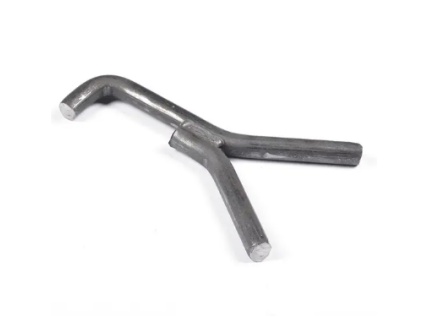
Cement furnace anchorage is critical for several reasons:
The primary role of anchorage is to maintain the furnace’s structural integrity. If the anchorage system fails, the entire furnace structure can become misaligned, leading to mechanical failure or even catastrophic accidents. A strong anchorage system helps ensure the furnace operates safely, reducing the risk of damage to workers, equipment, and the surrounding environment.
Cement furnaces are exposed to extreme conditions, including high temperatures, mechanical stresses, and vibrations. A well-maintained anchorage system helps to reduce wear and tear on the furnace, preventing misalignment and minimizing the strain on critical components. This increases the service life of the furnace and reduces the need for costly repairs or replacements.
When a cement furnace is properly anchored, the various parts of the furnace remain aligned, and the machine operates at peak efficiency. Misalignment due to poor anchorage can lead to inefficient operations, causing the furnace to consume more energy or produce suboptimal results. Proper anchorage ensures that the furnace runs smoothly, improving overall efficiency and reducing operational costs.
When anchorage systems are neglected, the likelihood of breakdowns and maintenance issues increases. Repairing or replacing faulty anchorage components can result in significant downtime, which disrupts production and leads to lost profits. Regular maintenance and monitoring of the anchorage system help prevent such issues and keep the furnace operating reliably, reducing downtime.
Cement furnace anchorage plays a crucial role in ensuring the stability, safety, and efficiency of the furnace. By securing the furnace to the foundation, accommodating thermal expansion, reducing vibrations, and providing structural support, anchorage systems allow cement production to take place reliably and effectively. Regular inspection and maintenance of the anchorage system are essential to preventing failures and optimizing furnace performance.
At Jiangsu Guojin Metal New Material Technology Co., Ltd., we specialize in the production and supply of high-quality cement furnace anchorage systems and other essential components for the cement industry. Our innovative solutions help improve the stability, safety, and efficiency of cement production facilities, ensuring that operations run smoothly and productively.
If you are looking for more information on cement furnace anchorage or need assistance in selecting the right products for your operations, feel free to contact us. Our team of experts is here to provide the best solutions for your needs and help ensure the long-term success of your cement production processes.


